














Frequently asked questions
Find quick answers about moving, billing, and your account.


Please verify your service location to access this:
Please verify your service location to access this:

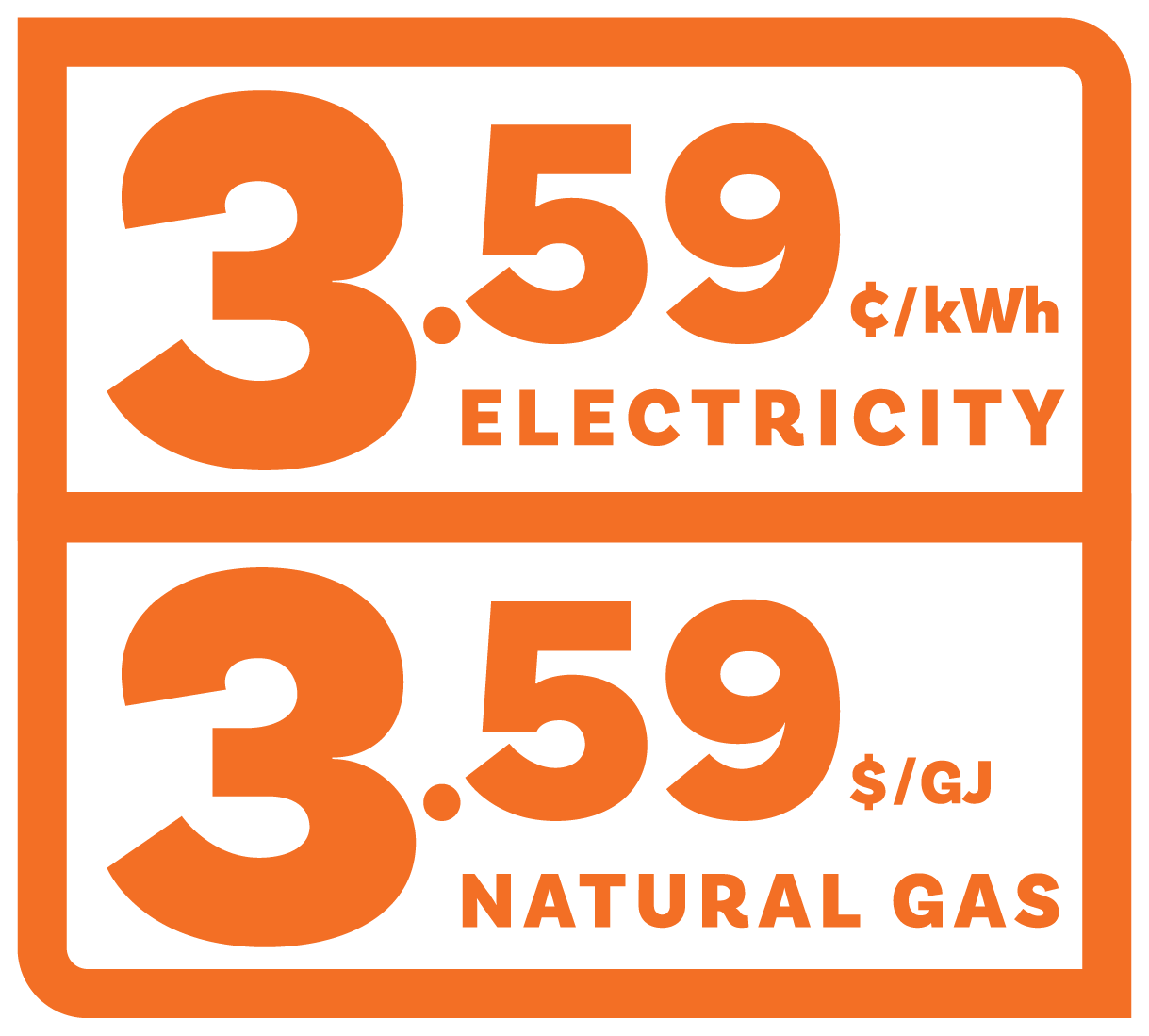
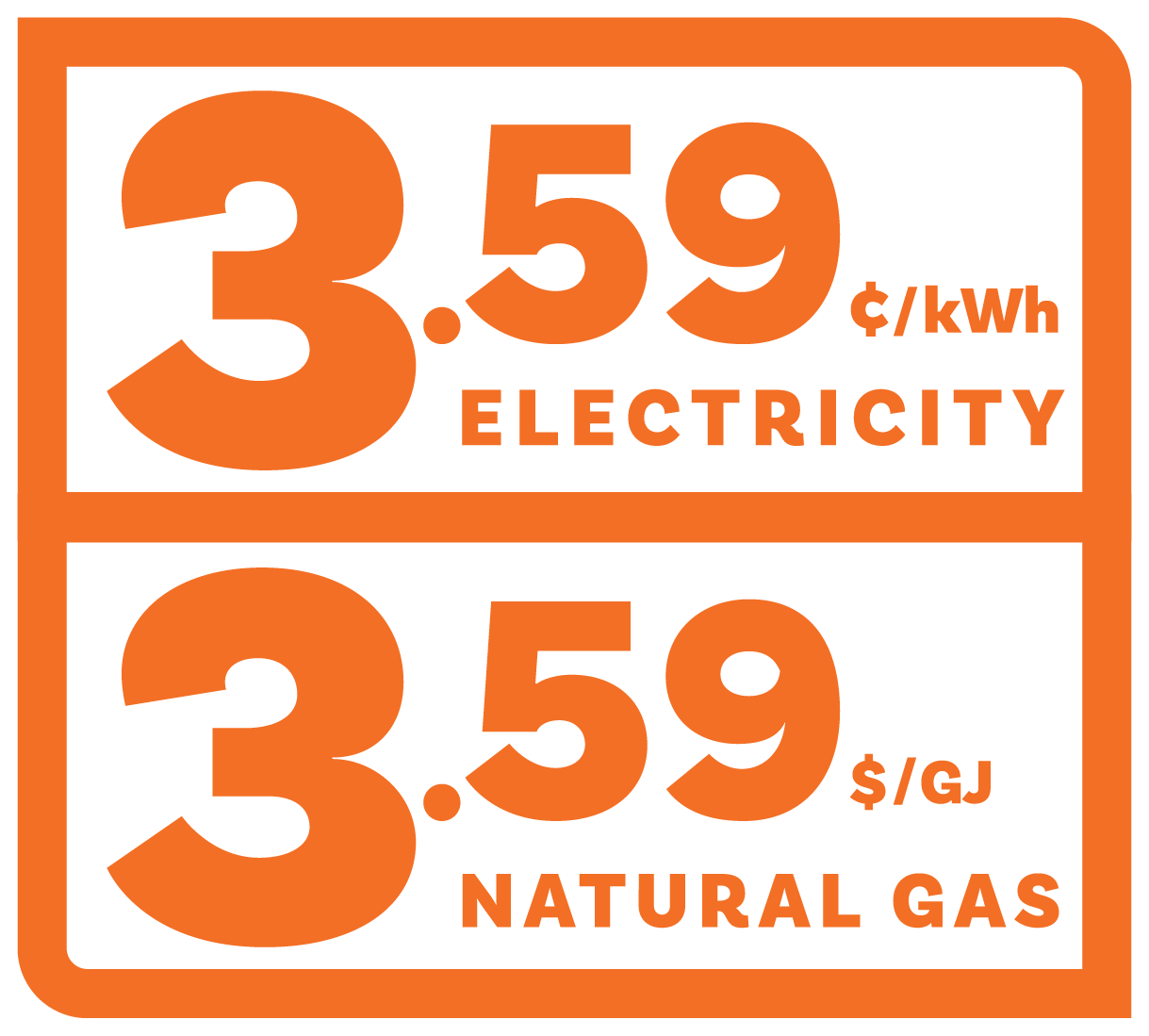
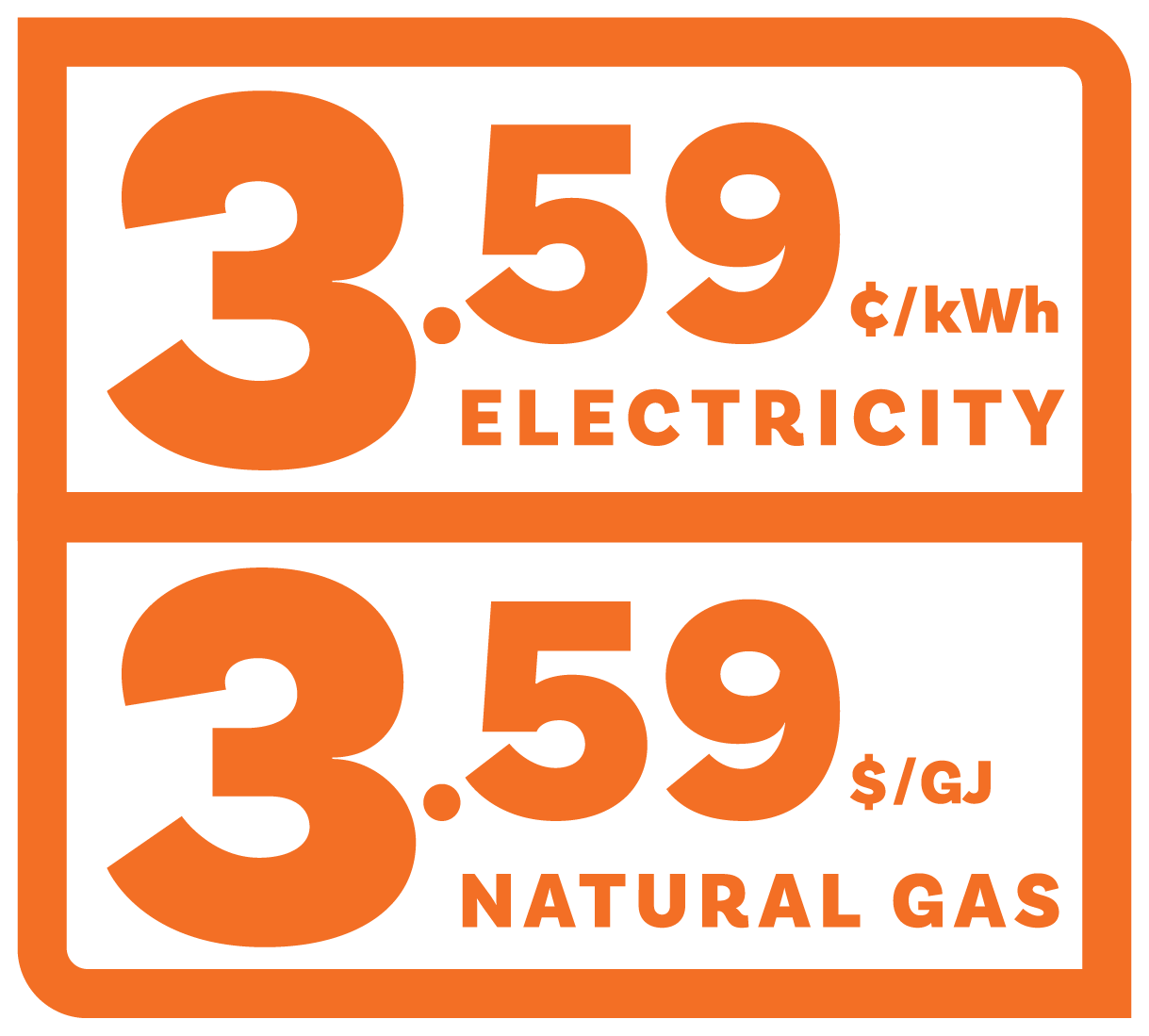
Pair electricity and natural gas to enjoy low introductory rates until December 31, 2026.*



Check out our energy plans for restaurants and learn how to make your business more energy efficient.



Want to know more about your energy options? Looking for ways to save on energy usage? We're here to help you make an educated decision.

Manage your energy account anytime. View bills, make payments, track your energy use, access rewards and more—all in one place.

Sign up for fixed rates:
Direct Energy customer support:
Direct Energy Regulated Services sales & support:
Pair electricity and natural gas to enjoy low introductory rates until December 31, 2026.*
Check out our energy plans for restaurants and learn how to make your business more energy efficient.
Want to know more about your energy options? Looking for ways to save on energy usage? We're here to help you make an educated decision.
Manage your energy account anytime. View bills, make payments, track your energy use, access rewards and more—all in one place.
Moving your energy service? It’s easier than you think
Moving is stressful. We make sure moving your utilities isn't. Sign up or switch your service address in minutes. Set it up ahead of time, so your service is ready when you move-in.

Not sure where to start? Choose the option that fits your situation.
Tell us your address and move date.
Pick the option that fits your home and usage.
Service is activated remotely. We’ll notify your previous provider.


Note: Depending on your move date and when you want your services to start, you may need to set up your account first. You can sign up with Direct Energy and Direct Energy Regulated Services and set a move-in date up 90 days in advance.
In some cases (like rural properties or new connections), additional steps may be required.
A simple moving checklist to stay organized.
Choose your electricity and natural gas provider and schedule your move online before your possession or move-in date. Existing Direct Energy customers can transfer service in minutes through their Online Account.
If you’re moving into a condo, apartment, rural property, or new build, confirm your exact unit number, meter number, or Site ID before set-up.
Use your official possession, lease, or occupancy date when scheduling service. This helps make sure billing responsibility starts and stops at the right time.
If you’re selling or moving out of a property, make sure your current provider knows the exact date you are no longer financially responsible for the home.
Review the electricity and natural gas plans available for your new address. Depending on your location, you may be able to choose between fixed-rate, variable-rate, or regulated energy options.
You’ll see your available plans before confirming your setup.
In Alberta, electricity and natural gas service may already be active when you arrive. Even if the lights are on, make sure your account has been properly set up so billing is in your name.
If service is not active, contact us for support.
Use your Online Account to review your move details, confirm your address, manage your plan, and track your service setup.
Check that your electricity and natural gas service is connected to the correct address and unit. This is especially important for condos, apartments, duplexes, and rural properties.
Your first energy bill may include charges covering multiple dates depending on when service was set up and when meter reads were completed.
Review your bill carefully to confirm your move-in date, address, usage, and plan details are correct.
Simplify payments with Auto Pay or enroll in Average Billing to help spread seasonal energy costs more evenly throughout the year.
Your energy usage may change depending on your new home size, heating system, appliances, or lifestyle. You can review your electricity and natural gas plan options anytime and choose one that better fits your needs.
Get clear, simple explanations so you know what to expect, before your first bill arrives.
Moving comes with a lot to manage. We’ll make this part easy.
If you have an Online Account, enter your move-in date, choose your electricity and natural gas plan, and confirm in minutes. If you have yet to create an account, you can register here in minutes. New to Direct Energy altogether? Review our energy plans and choose the plan that best fits your home.
If you’re moving to Alberta for the first time, setting up utilities works a little differently here than in provinces like BC or Ontario because Alberta has a competitive energy market.
Tip: If you live in an apartment or condo, make sure you’re selecting your specific unit—not the entire building. For rural properties, double-check the meter number or Site ID to make sure the correct location is set up.
Yes. Existing Direct Energy customers can transfer electricity and natural gas service to a new address online.
Simply log in to your account, select “Transfer service,” enter your new address and move date and you’re done. Most transfers can be completed remotely in just a few minutes.
Some properties—including certain rural locations serviced by Rural Electrification Associations (REAs), natural gas co-ops, or sub-metered condos and apartments—may have different setup requirements or provider limitations. If additional steps are needed for your new address, we’ll let you know during set-up.
Set up your electricity and natural gas service before your possession or move-in date to help avoid delays, unexpected charges or billing confusion. You can schedule your move up to 90 days in advance.
In Alberta, electricity and natural gas service may continue flowing between occupants, even when no active customer account has been set up yet. That means you may still be financially responsible for energy charges starting from your possession or move-in date, even if you haven’t contacted an energy provider yet.
If energy service is not set up promptly, the site may be assigned to the default energy provider for your area. In that situation, you could receive a bill from that provider for energy used before you establish service with your preferred retailer.
Waiting too long can lead to:
Setting up your utilities before your move-in date helps ensure your account is established correctly and can help avoid billing surprises later. This version is more accurate to how Alberta's market operates and reinforces the key customer takeaway: even if the lights are on, you still need to arrange service and choose your provider.
In Alberta, electricity and natural gas service is often left active between occupants for safety and convenience. Even if the lights are already on, you still need to set up your own energy account so billing responsibility can be transferred into your name.
Usually, no. Most move-ins, service transfers, and energy provider switches in Alberta are completed remotely. In many cases, there’s no appointment, technician visit, or interruption to your electricity or natural gas service. A technician may only be required in specific situations, including:
In some cases, if natural gas service has been turned off for six months or longer, an air test may be required to confirm there are no leaks in the gas lines before service can be safely restored. If additional steps are required for your property, we’ll let you know during set-up.
In Ontario, many people use the word “hydro” to mean electricity because much of the province’s power historically came from hydroelectric generation. In Alberta, electricity is usually called “electricity” or “power” instead of hydro. Direct Energy provides electricity and natural gas plans in Alberta. We are an energy retailer—not a utility distributor like Hydro One or Toronto Hydro.
Energy works differently in Alberta than it does in British Columbia. In BC, most customers receive electricity through a single regulated utility provider, BC Hydro. In Alberta, the energy market is deregulated and competitive. That means:
This gives Albertans more choice in how they buy energy.
Your energy retailer is the company you choose for your electricity or natural gas plan, billing, and customer support. Your utility distributor is the company responsible for the poles, wires, pipelines, meters, and infrastructure in your area. In Alberta, utility distributors are assigned by region and remain the same no matter which energy retailer you choose.
In Alberta, if a property does not have an active competitive energy retailer attached to it, electricity or natural gas service may temporarily default to a regulated provider so energy can continue flowing safely.
For example, if you move into a new home and haven’t signed up with an energy retailer yet, you may receive service—and a bill—from the regulated or default provider serving your area until you choose a provider and plan. You may also hear terms like:
These terms are often used interchangeably to describe the provider that supplies energy when no competitive retailer has been selected. Direct Energy and Direct Energy Regulated Services are two divisions of the same company, but they offer different types of energy services. Direct Energy offers competitive electricity and natural gas plans, including fixed-rate and variable-rate options, bundled billing, and additional products, features, and promotions.
Direct Energy Regulated Services provides regulated natural gas service, where rates change monthly, and the Rate of Last Resort (RoLR) for electricity, which is available to eligible Alberta customers under government-regulated pricing structures. Unlike competitive energy plans, regulated services cannot be bundled together on a single bill. At any time, eligible Alberta customers can choose to remain with a regulated provider or switch to a competitive energy retailer and plan that best fits their needs.
Moving means you’re changing homes and need to start, stop, or update your electricity or natural gas service. Transferring means you’re already a Direct Energy customer and want to move your existing service to a new address. Switching means you’re changing from another electricity or natural gas provider to Direct Energy.
Some condo buildings, apartments, and rental properties use sub-metering or building-wide utility arrangements. This can affect how your address appears during setup. If you can’t find your unit online:
Some rural areas in Alberta are serviced by Rural Electrification Associations (REAs) or natural gas co-ops. This can affect:
If your property is rural and you’re having trouble locating your site, contact us and we’ll help guide you through setup.
Energy rates and plan options can vary depending on your location and local utility distributor. Before you confirm your move, you’ll see the electricity and natural gas plans available for your new address. You may be able to choose between:
Yes. Many Alberta customers choose to bundle electricity and natural gas under one account for simpler billing and easier account management. Availability may vary by location.
In most cases, responsibility for electricity and natural gas begins on your possession date. Even if you haven’t fully moved in yet, it’s important to set up your utilities as soon as possible so billing responsibility is clear and there are no gaps in service.
De-energized means electricity or natural gas service has been physically turned off at the property. This is different from simply moving out or switching energy providers. If a property has been de-energized, additional setup steps or technician visits may be required before service can be restored.
Alberta has a competitive energy market, which means customers can compare electricity rates and choose the option that works best for their home and budget. Your electricity bill may include:
Rates can vary depending on your plan type, usage, season, and location.
Electricity usage is commonly measured in kilowatt-hours (kWh). A kilowatt (kW) measures the rate of electricity being used, while a kilowatt-hour measures how much electricity is used over time. Understanding your electricity usage can help you better manage energy costs and compare plan options.
Natural gas usage in Alberta is measured in gigajoules (GJ). A gigajoule is a unit of energy used to measure how much natural gas your home consumes for heating, hot water, cooking, and other appliances. For a simple frame of reference, one gigajoule of natural gas energy is roughly equivalent to the size of a football. Your natural gas bill is based on the amount of gas you use, your rate plan, and regulated delivery charges.
Yes. Alberta’s deregulated energy market allows you to switch electricity and natural gas providers. If you choose Direct Energy, we’ll help manage the transition from your current provider. In most cases, your electricity and natural gas service will continue without interruption.
Your electricity and natural gas costs can be affected by:
Winter heating usage can significantly increase natural gas and electricity costs in Alberta.
No. Direct Energy and Direct Energy Regulated Services (DERS) are different types of energy offerings. Direct Energy offers competitive electricity and natural gas plans with fixed and variable rate options. Direct Energy Regulated Services provides regulated electricity and natural gas services for eligible Alberta customers under regulated pricing structures. Depending on your location and plan, your service may be with Direct Energy or Direct Energy Regulated Services.

