

Moving from Ontario to Alberta? Here’s how electricity and natural gas work

Updated on June 20, 2026

Read time: 7 minutes

Moving from Ontario to Alberta? Here’s how electricity and natural gas work

Updated on June 20, 2026

Read time: 7 minutes

What you need to know

If you’re moving from Ontario to Alberta, here are the biggest differences to know before setting up electricity and natural gas:

  • Alberta has a deregulated energy market, which means you can choose your electricity and natural gas retailer
  • In Ontario, many people say “hydro” to mean electricity, but in Alberta people usually say electricity or power
  • Your energy retailer and utility distributor are different companies in Alberta
  • Electricity and natural gas service may already be active when you move in
  • You still need to set up utilities in your name — even if the lights are already on
  • Most Alberta move-ins and utility transfers are completed remotely without a technician appointment
  • Condo buildings and apartments may use sub-metering or landlord-managed utilities
  • Rural Alberta properties may be serviced by Rural Electrification Associations (REAs) or natural gas co-ops
  • Alberta utility bills include energy usage, delivery charges, administration fees and taxes
  • Many Alberta customers can choose between fixed-rate and variable-rate energy plans
  • Setting up utilities before your possession or move-in date helps avoid delayed billing and unexpected charges

If you’re moving from Ontario to Alberta, you’ll notice one major difference right away: In Alberta, you choose your electricity and natural gas provider.

For many Ontarians, this can feel unfamiliar at first. Terms like “energy retailer,” “distributor” and even “hydro” are often used differently in Alberta than they are in Ontario.

The good news? Once you understand the basics, setting up utilities in Alberta is usually simple and can often be completed online in minutes.

Here’s what to expect before you move.

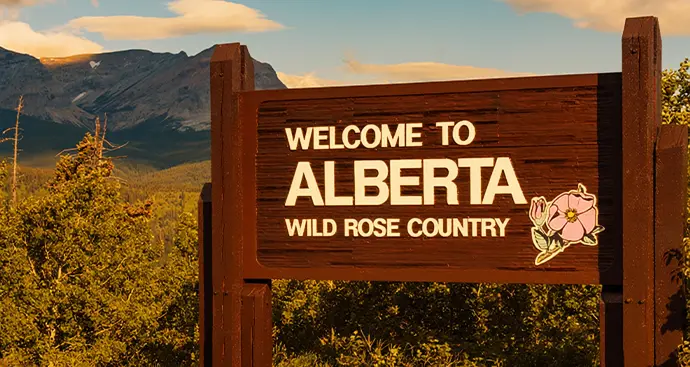
welcome to Alberta sign with mountains in the background

“Hydro” usually means something different in Alberta

In Ontario, many people use the word hydro to mean electricity.

That’s because Ontario’s electricity system historically grew out of Ontario Hydro, and many local utilities still use hydro in their names today, like Hydro One or Toronto Hydro.

Instead of "hydro", people in Alberta usually say:

  • Electricity
  • Power
  • Natural Gas
  • Utilities 

So, if you’re moving from Ontario to Alberta and searching for “hydro setup,” you’re usually looking for electricity service.

This terminology difference is one of the most common points of confusion for people moving to Alberta—especially when setting up utilities for the first time.

Alberta let’s you choose your electricity and natural gas provider

One of the biggest differences between Ontario and Alberta is how electricity and natural gas are sold.

Alberta has a deregulated energy market, which means customers can choose their electricity and natural gas retailer.

This gives Alberta customers more flexibility to:

  • Compare electricity and natural gas rates
  • Choose fixed-rate or variable-rate plans
  • Switch energy providers
  • Bundle electricity and natural gas together

For many people moving from Ontario, this level of choice is new.

When setting up utilities in Alberta, you’ll typically choose:

  • Your retailer
  • Your energy plan
  • Your rate type
  • Your move-in date

Most utility set-up can be completed online before you move.

Your energy retailer and utility distributor are different

In Alberta, your energy retailer and utility distributor are separate companies.

Your energy retailer manages:

  • Your electricity or natural gas plan
  • Billing
  • Rates
  • Customer support

Your utility distributor manages:

  • Poles and wires
  • Pipelines
  • Meters
  • Infrastructure
  • Outages 

In Alberta, utility distributors are assigned by geographic service area and remain the same no matter which energy retailer you choose.

Depending on where you live, your distributor may be:

  • ATCO Electric or ATCO Gas
  • FortisAlberta
  • ENMAX Power
  • EPCOR

This is different from the more centralized utility systems many Ontario residents are used to

Why your electricity may already be on when you move in

This surprises many people moving from Ontario.

In Alberta, electricity and natural gas service often stays active between occupants for safety and convenience.

That means if the lights work when you arrive, utilities are not necessarily already in your name.

You still need to:

  • Set up your utility account
  • Confirm your move-in date
  • Choose your electricity and natural gas plan
  • Transfer billing responsibility

If you wait too long, you could receive delayed or unexpected charges tied to your possession or move-in date.

To avoid billing issues, it’s best to set up your utilities before you move.

Most Alberta utility move-ins do not require a technician

Usually, no technician appointment is needed.

Most Alberta move-ins, utility transfers and energy provider switches are completed remotely.

In many cases:

  • Service continues without interruption
  • No in-home appointment is required
  • Utility setup can be completed online in minutes

A technician is usually only required for:

  • New home builds
  • De-energized properties
  • Some rural locations
  • New meter installations
  • Service inspections or upgrades
  • Having gas lines tested if they have been off for six months or longer

If additional steps are required for your property, your provider will let you know during set-up.

Moving into an apartment or a condo in Alberta? Read this first

Some apartment buildings and condos in Alberta use:

  • Sub-metering
  • Landlord-managed utilities
  • Building-managed utility services

This can affect how your address appears during online utility set-up.

In some buildings:

  • Utilities may already be included in rent or condo fees
  • The building may use one specific provider
  • Utility setup may need to be completed through the landlord or property manager 

If you cannot find your address online:

  • Confirm your exact suite or unit number
  • Ask whether utilities are included
  • Check whether the building uses a specific provider
  • Contact your landlord or property manager 

This is especially common in larger apartment buildings and newer multi-unit developments.

Rural Alberta utilities can work differently

If you’re moving to a rural property, acreage or farm, utility setup may work differently than it does in major Alberta cities.

Some rural communities are serviced through:

  • Rural Electrification Associations (REAs)
  • Natural gas co-ops

These organizations were originally created to help bring electricity and natural gas infrastructure to rural farming communities.

Because of this:

  • Some rural addresses may not appear immediately online
  • Setup requirements may differ
  • Delivery charges may vary
  • Utility service areas can be more complex

If you’re moving to a rural Alberta property, having your Site ID or meter number ready can help speed up set-up.

If you’re having trouble finding your address during setup, contact your distributor for support.

Understanding Alberta electricity and natural gas bills

Alberta electricity and natural gas bills are made up of several parts, including:

  • Energy usage charges
  • Delivery and transmission fees
  • Administration fees
  • Taxes and municipal charges 

Your total utility costs can vary depending on:

  • Your home size
  • Seasonal energy use
  • Heating systems and appliances
  • Electricity and natural gas rates
  • Your location and utility distributor 

The most important step is setting up your utilities before your possession or move-in date so billing responsibility is clear and your service is ready when you arrive.

Understanding how electricity and natural gas work in Alberta can help you avoid confusion, delays and unexpected charges during your move.

Final thoughts on moving from Ontario to Alberta

For many people moving from Ontario, Alberta’s electricity and natural gas system can feel unfamiliar at first—but it also gives customers more flexibility and choice.

You can:

  • Compare energy plans
  • Choose your retailer
  • Bundle electricity and natural gas together
  • Select fixed-rate or variable-rate options
  • Manage your utilities online 

The most important step is setting up your utilities before your possession or move-in date so billing responsibility is clear and your service is ready when you arrive.

Understanding how electricity and natural gas work in Alberta can help you avoid confusion, delays and unexpected charges during your move.

Moving from across the country is stressful. We make sure moving your utilities aren't. Sign up your service address in minutes.

Frequently asked questions

Show all answers

Not usually. In Ontario, many people use the word “hydro” to mean electricity. In Alberta, people typically say electricity or power instead of hydro. If you’re moving from Ontario to Alberta and searching for hydro service, you’re usually looking for electricity setup.


Most Alberta utility setup can be completed online. You’ll usually need your move-in date, address and preferred energy plan to get started. Existing Direct Energy customers can also transfer their service to a new address online.

Usually no. Most Alberta move-ins and utility transfers are completed remotely without a technician appointment. A technician is typically only needed for new builds, de-energized properties or some rural locations.

Electricity and natural gas service may continue flowing between occupants in Alberta. Even if the lights are already on, you still need to set up your own utility account so billing responsibility is transferred into your name.

Your energy retailer manages your plan, billing and rates. Your utility distributor manages the infrastructure that delivers electricity or natural gas to your property, including poles, wires, pipelines and meters.

A Rural Electrification Association (REA) is a rural utility organization that helps provide electricity infrastructure and service to some Alberta farming and rural communities.

Some apartments and condos use sub-metering or building-managed utilities. In these situations, utility setup may need to be completed through your landlord, condo board or property manager instead of directly through an energy retailer.

Explore the learning centre hub

Select a category to find articles for topics that interest you.