2026 Alberta energy market update

Updated on July 25, 2026

5-minute read

2026 Alberta energy market update

Updated on July 25, 2026

5-minute read

What you need to know

Energy prices in Alberta can change over time based on supply, demand, weather patterns, and broader market conditions. These changes affect both electricity and natural gas rates, which can influence monthly energy costs for households.

Market updates help explain why prices fluctuate and what factors are currently driving changes. While short-term price movements are common, understanding trends can help customers make more informed decisions about their energy plans.

In Alberta’s competitive energy market, staying aware of market conditions can help you better understand rate changes, evaluate your options, and anticipate how energy costs may shift over time.


A serene lake nestled among towering mountains and lush green trees under a clear blue sky.

If you're on a regulated rate or floating rate plan, these are the key factors that affect your monthly energy rate.

Alberta natural gas rates in 2026

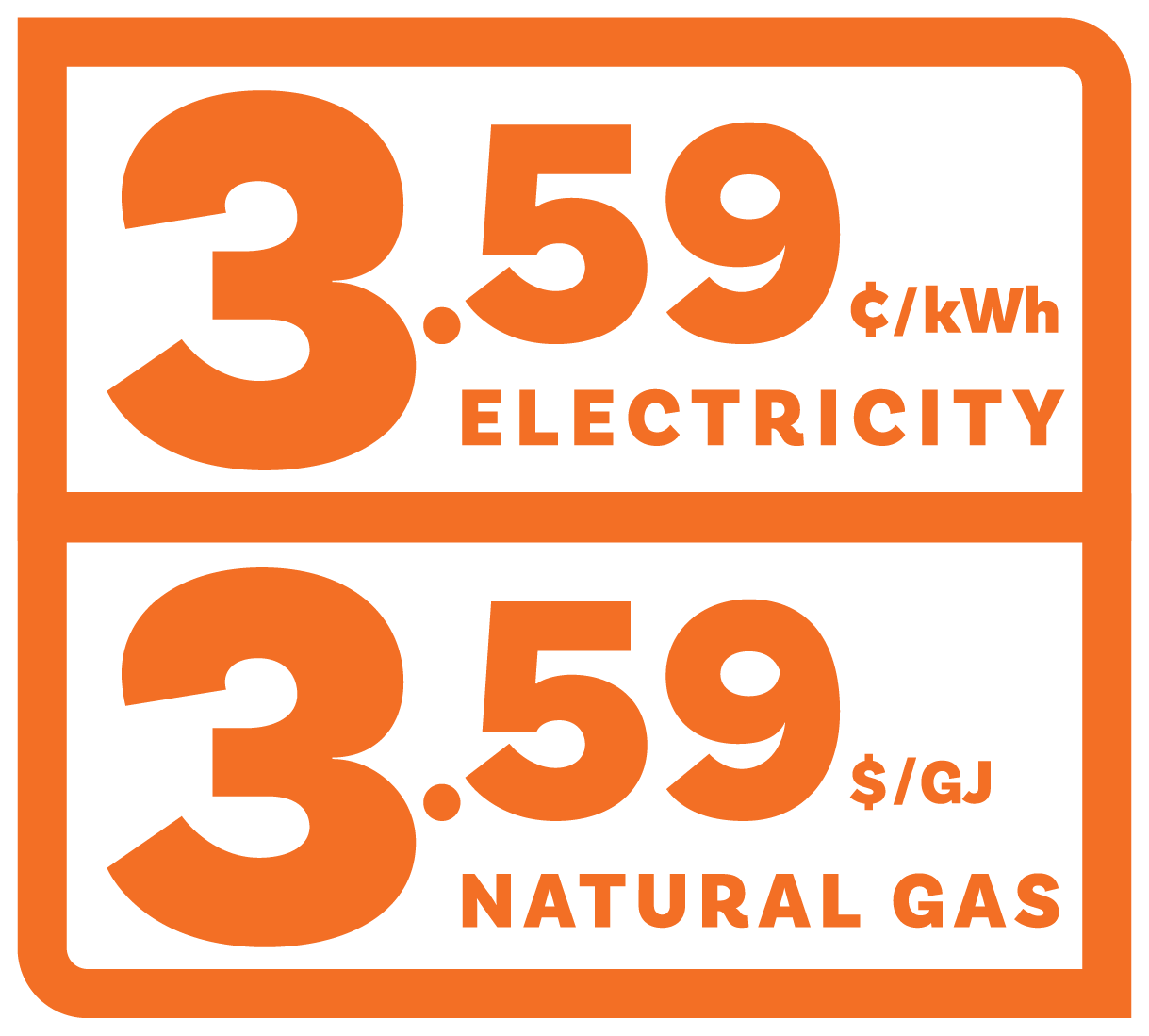
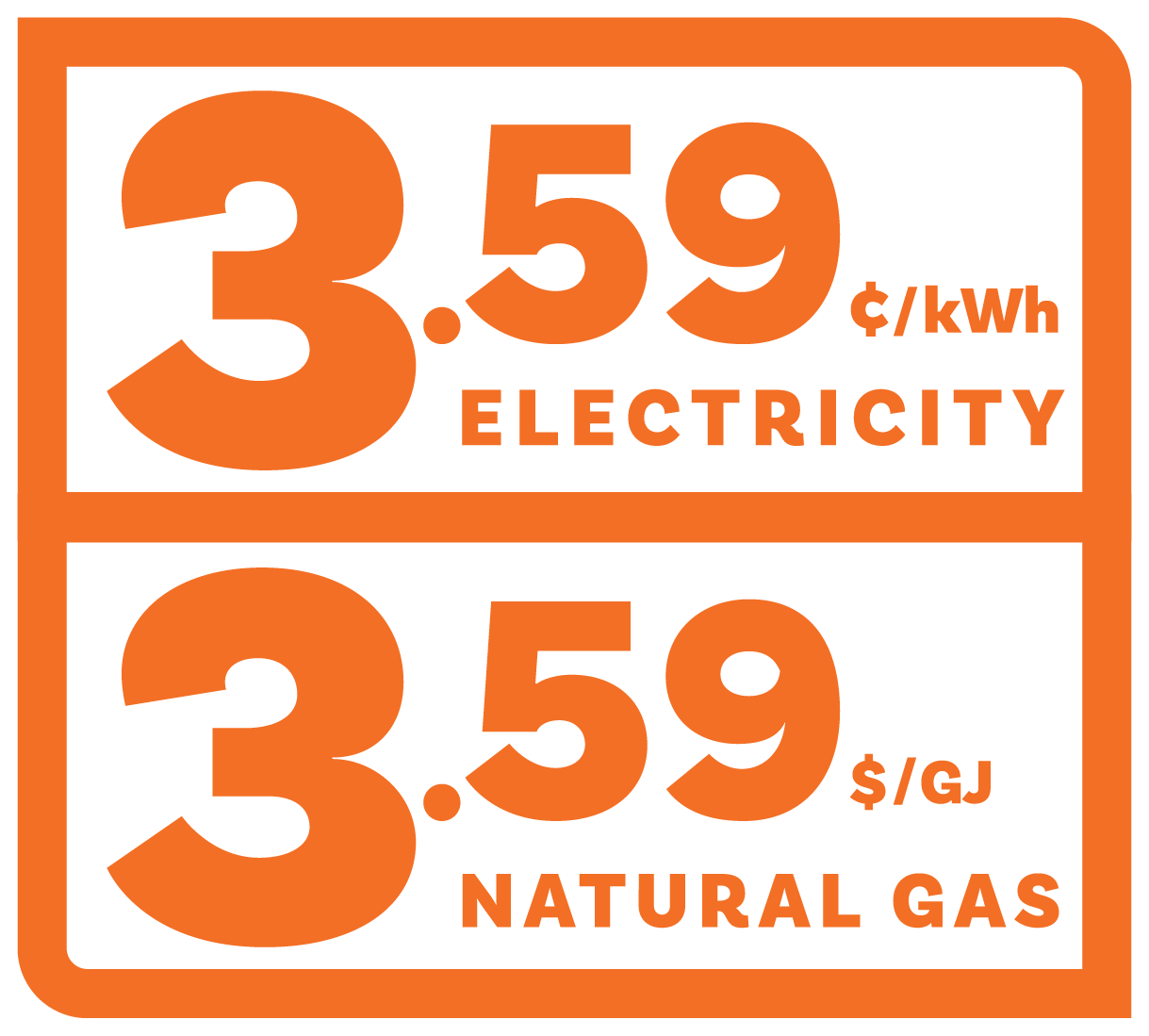
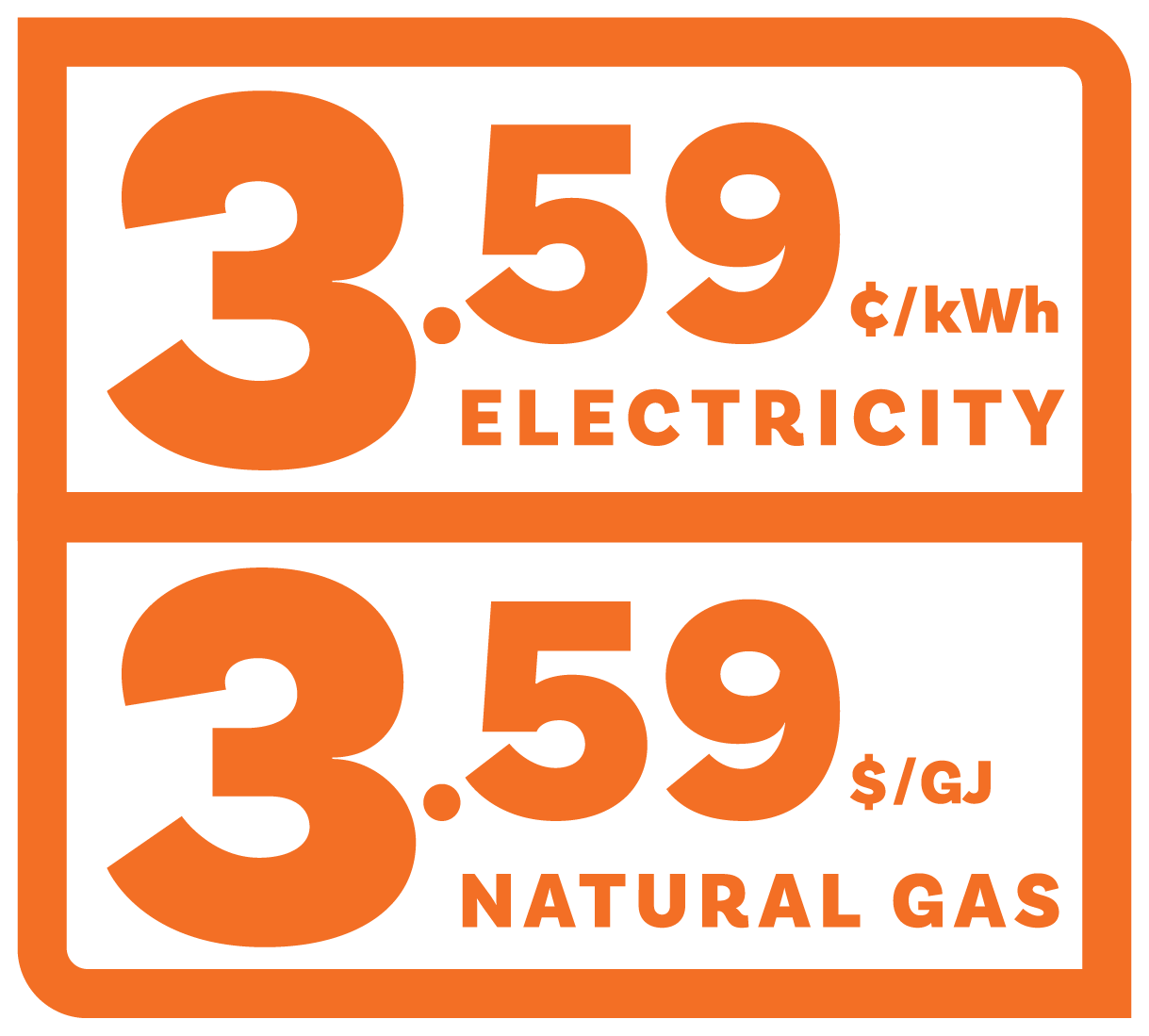
With strong local supply, high storage levels, and milder weather across much of the province, wholesale gas prices have remained well below average. Since regulated rates are directly tied to the market cost of gas instead of fixed in long-term contracts, customers benefit right away when prices drop. Learn more about the benefits of regulated natural gas and how its price is determined.

Federal Carbon Tax changes and what they mean for your bill

Starting April 1, 2025, you will no longer be charged a Federal Carbon Tax on your natural gas usage. 

Was it still on your bill in April? Don’t worry, it just means some of your usage was from March. Check the billing period to confirm. For example, if your bill covers March 15 to April 15, you’ll see carbon tax charges for gas used March 15-31. Any usage from April 1 onward won’t be taxed.

Also, the final Canada Carbon Rebate was issued starting April 22, 2025. Have more questions? We’ve got answers here.

Electricity rate changes in Alberta: Rate of Last Resort explained

From the RRO to the Rate of Last Resort

On January 1, 2025, the Regulated Rate Option (RRO) was replaced with the Rate of Last Resort which is a fixed rate product set every two years. The Rate of Last Resort (RoLR) is now the default electricity rate for Albertans who have not chosen, or are not currently with, a competitive energy retailer. 

How the Rate of Last Resort works

The price of Alberta's Rate of Last Resort which has been approved by the Alberta Utilities Commission (AUC), will vary across different areas of the province. If Direct Energy Regulated Services is the default energy provider in your area, our Rate of Last Resort is 12.02 cents/kWh from January 1, 2025, to December 31, 2026.

Wondering why the RRO has changed to the Rate of Last Resort and how it could affect you? Here’s what you need to know.

If you’re looking for longer-term rate stability, we have fixed-rate plans with no early exit fees, bundled rates, green energy, and other promotions.

Learn how to manage winter energy costs

Customers are free to purchase natural gas services or electricity services from a retailer of their choice. For a list of retailers, visit ucahelps.alberta.ca or call 310-4822 (toll-free in Alberta).


Show all answers

Energy prices can change based on supply, demand, weather conditions, fuel costs, and broader market trends that affect electricity and natural gas pricing.

Your total bill can increase even if rates stay the same because usage may be higher. Delivery and distribution charges can also rise with increased consumption.

Market updates can help inform your decision, but the right plan depends on whether you prefer price stability, flexibility, or the ability to follow market changes.

It depends on your plan type. Fixed rate plans provide more price stability, while variable or floating rates are more likely to reflect market changes.

Seasonal demand can affect pricing. Winter often increases natural gas demand for heating, while summer can increase electricity demand due to air conditioning.

Explore the learning centre hub

Select a category to find articles for topics that interest you. 

Looking for more plan options?

Shop and compare our plans to find the right energy solution for your business.