










Why rural Alberta homes may be more vulnerable to power surges

Updated on October 10, 2026

6-minute read

Why rural Alberta homes may be more vulnerable to power surges

Updated on October 10, 2026

6-minute read

What you need to know

Living on an acreage, farm or in a rural community offers plenty of advantages, but it also means your home's electrical system may face different challenges than homes in urban areas.

Longer overhead power lines, greater exposure to severe weather and more electrical equipment on rural properties can all increase the opportunities for power surges and electrical disturbances.

That doesn't mean rural homes are destined to experience more damage. It simply means understanding your home's electrical environment can help you make informed decisions about protecting the technology and appliances you rely on every day. Let’s dive in.

Why rural electrical systems are different

Every home receives electricity through a network of substations, transformers and distribution lines.

For many homeowners in Alberta's cities and towns, those distribution lines cover relatively short distances before reaching individual neighbourhoods.

Rural homes are often different.

Whether you live on an acreage, operate a farm or own a home outside a major community, your property may be connected to the electrical grid by longer stretches of overhead distribution line.

Those lines may cross:

  • Open farmland
  • Forested areas
  • Pastures
  • Roadways
  • Rivers and coulees

The longer the electrical path, the more opportunities there are for weather, wildlife and other external factors to affect electrical infrastructure. That doesn't necessarily mean you'll experience more power surges, but it does mean your home may be exposed to different conditions than a typical suburban neighbourhood.

According to the Institute of Electrical and Electronics Engineers (IEEE), utility switching remains one of the most common external sources of transient overvoltages, commonly known as power surges.

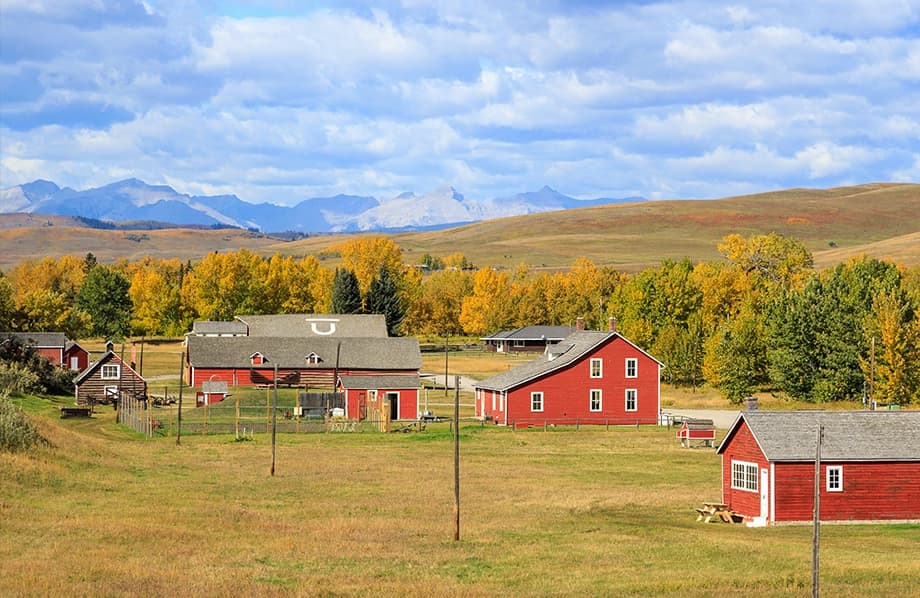
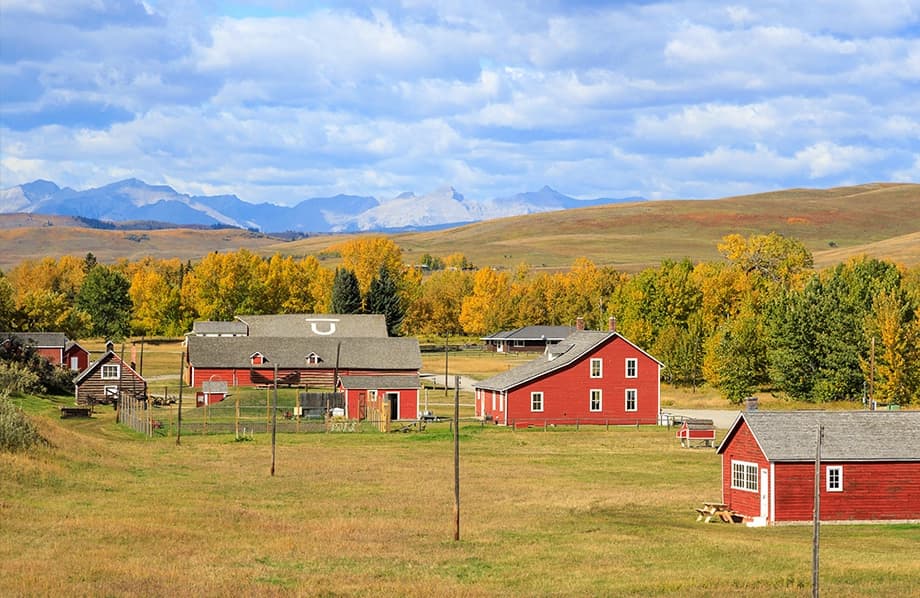
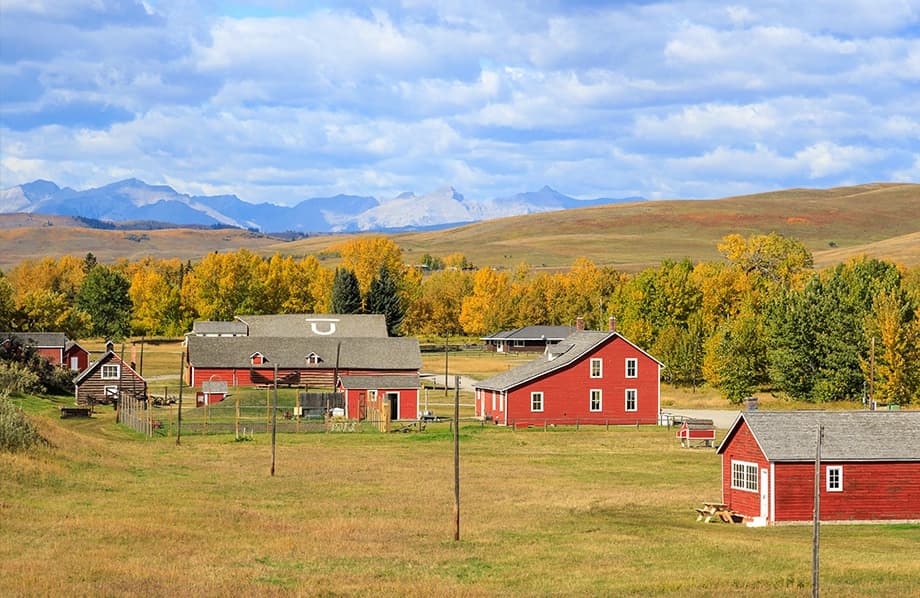
Red barns and houses stand on a grassy field with autumn trees and distant mountains under a partly cloudy sky.

Alberta weather can create unique challenges

Few places experience weather quite like Alberta. Throughout the year, rural electrical infrastructure may be exposed to:

Summer

  • Thunderstorms
  • Lightning
  • High winds
  • Hail
  • Heavy rain

Winter

  • Heavy snow
  • Ice buildup
  • Freezing rain
  • Extreme cold
  • Strong Chinook winds

Unlike underground electrical systems found in some urban developments, many rural electrical lines remain overhead.

Wind, ice or falling branches can damage electrical infrastructure, leading utilities to temporarily reroute power while repairs are completed.

These switching operations are a normal part of restoring service safely, but they can also create brief electrical disturbances that travel through the system.

Explore more ways to save electricity at home

Why do rural homes rely on more electrical equipment?

Modern rural homes frequently rely on more than just household appliances. Depending on the property, homeowners may also depend on electrical equipment to support day-to-day operations. Examples include:

  • Well pumps
  • Septic systems
  • Water treatment equipment
  • Livestock waterers
  • Electric fencing
  • Detached garages and workshops
  • Barns
  • Grain handling equipment
  • Irrigation systems
  • Shop tools and compressors

Many rural homeowners are also embracing newer technologies, including:

  • Smart thermostats
  • Wi-Fi-connected security systems
  • Electric vehicle chargers
  • Solar panels
  • Battery storage
  • Backup generators 

Each of these systems contains electrical or electronic components that can be affected by voltage fluctuations.

Protecting them isn't just about convenience. It can help reduce disruptions to the equipment your household or your property depends on every day.

Why power restoration matters

When severe weather damages electrical infrastructure, restoring power isn't as simple as turning electricity back on.

Utilities may need to:

  • Inspect damaged equipment
  • Isolate affected sections of the grid
  • Replace poles or transformers
  • Reroute electricity
  • Restore customers in stages 

For rural communities, repairs can sometimes take longer simply because crews cover larger geographic areas and may need to travel greater distances between outage locations.

As electricity is restored, utility switching and the simultaneous restart of household equipment can create temporary voltage spikes known as restoration surges.

These events are usually brief, but they're one reason surge protection is recommended as part of an overall home electrical protection strategy.

Everyday power surges still happen

It's easy to focus on storms and outages, but most power surges actually happen inside the home.

According to the National Electrical Manufacturers Association (NEMA), an estimated 60–80% of power surges originate inside buildings as motors and compressors turn on and off during normal operation.

That means everyday appliances continue to create small voltage spikes, including:

  • Refrigerators
  • Furnaces
  • Air conditioners
  • Washing machines
  • Garage door openers
  • Freezers

Weather-related surges and everyday appliance surges work together to create the overall electrical environment in your home.

Whether you live downtown or on an acreage, protecting against both types of surges is worth considering.

How surge-savvy are you?

Take our quiz to assess how up to speed you are with surge risk and protection.

How to help protect your rural home

While no product can prevent every electrical event, there are practical ways to help reduce the impact of power surges.

Consider whole-home surge protection

Whole-home surge protection is installed at your electrical panel and helps reduce voltage spikes before they travel through your home's electrical system.

Because it's connected at the source, it can help protect permanently wired equipment such as:

  • Furnaces
  • Well pumps
  • Water treatment systems
  • Garage door openers
  • Refrigerators
  • EV chargers

Protect sensitive electronics

Use quality surge protector power bars for valuable electronics such as:

  • Computers
  • Home office equipment
  • Wi-Fi routers
  • Televisions
  • Networking equipment

Many homeowners use both whole-home surge protection and plug-in surge protectors to create multiple layers of protection.

Have older electrical systems inspected

If your home has older wiring, an aging electrical panel or has been expanded over the years with additional buildings or equipment, consider having your electrical system inspected by a qualified electrician.

Prepare before severe weather forecasts

When severe weather is predicted:

  • Charge phones and backup batteries
  • Back up important computer files
  • Monitor local weather alerts
  • Unplug sensitive electronics before a major storm if it's safe to do so

Is your rural home at greater risk?

Every property is different, but you may want to consider surge protection if your home includes several of the following:

  • You live on an acreage or farm
  • Your home is served by overhead power lines
  • You rely on a well pump or septic system
  • You have a detached shop or barn
  • You use smart home technology
  • You own an electric vehicle
  • You have solar panels or battery storage
  • You work from home
  • You have expensive electronic equipment

The more electrical systems your home depends on, the more valuable it becomes to think about protecting them.

Add protection for the unexpected

Even with the right precautions, power surges can still happen. And when they do, replacing a damaged refrigerator, computer or other everyday electronic can get expensive quickly.

That’s where a Direct Energy Surge Protection Plan can help. If an electrical surge damages eligible electronics or appliances, your plan can help cover the cost to repair or replace them—with up to $2,000 in annual coverage depending on the plan you choose.2

Think of it as another layer of protection for the things you rely on every day, so an unexpected surge doesn’t have to come with an unexpected repair bill.

Explore Surge Protection

Show all answers

Not necessarily. However, rural homes are often connected by longer overhead power lines and may experience more exposure to weather-related events, which can increase opportunities for electrical disturbances.

Yes. A nearby lightning strike can create voltage spikes that travel through electrical infrastructure into nearby homes.

Yes. Whole-home surge protection is installed at your home's electrical panel and is designed to help reduce voltage spikes affecting permanently connected equipment throughout the home.

Many rural properties rely on electrical systems beyond everyday household appliances, including well pumps, water treatment systems, workshops, irrigation equipment and connected farm technology.

Many homeowners choose a layered approach by combining whole-home surge protection with plug-in surge protectors for valuable electronics.


Explore the learning centre hub

Select a category to find articles for topics that interest you.