













How to shop for an energy-efficient furnace

Updated on November 5, 2026

2-minute read

How to shop for an energy-efficient furnace

Updated on November 5, 2026

2-minute read

What you need to know

Choosing an energy-efficient furnace can help reduce heating energy use and keep your Alberta home comfortable during colder months. Important factors include the furnace's Annual Fuel Utilization Efficiency (AFUE) rating, blower motor, heating stages, thermostat compatibility and proper sizing.

Use the guide below to compare furnace features, understand what affects energy efficiency and prepare for a conversation with an HVAC professional about the right heating system for your home.

An experienced and reliable HVAC company can help you get the right furnace for your needs and budget. But there are some things you should understand throughout the process. Here are factors to consider when buying an energy-efficient furnace:

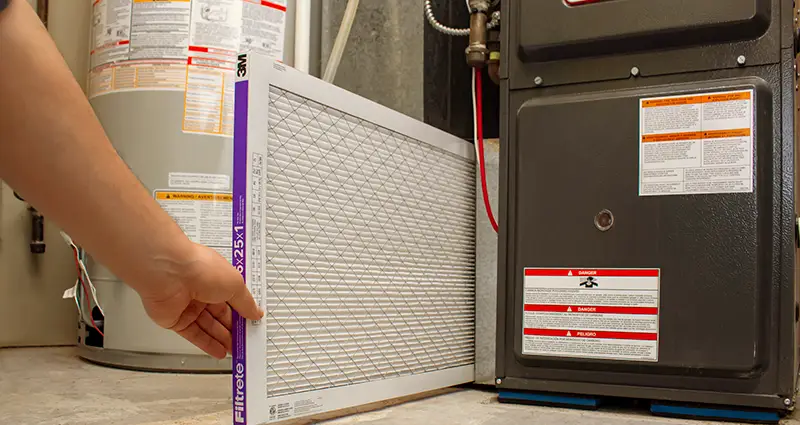
Man replacing furnace filter

Compare furnace AFUE efficiency ratings

Not all so-called energy-efficient furnaces are created equal. A great way to determine energy efficiency is by the furnace's Annual Fuel Utilization Efficiency (AFUE). The AFUE rating indicates the percentage of fuel that a furnace converts into usable heat over a typical heating season. A higher AFUE generally indicates greater fuel efficiency.

Many ENERGY STAR®-certified furnaces have high AFUE ratings. Review the certification criteria and the product’s EnerGuide or manufacturer specifications to confirm its rated efficiency.

Check furnace blower motor efficiency

The fan motor in a furnace is critical to its efficiency. The furnace blower motor also affects electricity consumption. Even if the furnace is a highly efficient model, it should have the fan motor to match.

Choose the right furnace size for your home

Sizing your furnace to match your home’s space and heating needs is vital. An oversized furnace can cycle on and off too often, causing uneven heating and less efficient operation. A furnace that is too small may struggle to keep your home a comfortable temperature. A qualified HVAC professional can measure your home and recommend a furnance suited to your space and needs.

Compare single-stage, two-stage and modulating furnaces

Your furnace doesn’t always need to run at full power. A modulating furnace uses a variable gas valve to adjust its heat output gradually. It’s usually paired with a variable-speed blower, which can help maintain a very consistent indoor temperature while using less energy. A two-stage furnace allows it to run at a lower speed in milder temperatures, gradually increasing to meet your desired temperature. It runs at a higher setting when it's colder to ensure you’re toasty and warm. Single-stage furnaces are a little cheaper initially because they have simpler controls. But two- or multi-stage furnaces are usually more energy efficient.

Choose a compatible, energy-efficient thermostat

While you’re at it, consider upgrading your thermostat. Before choosing a programmable or smart thermostat, make sure it’s compatible with your heating system. A compatible thermostat can help manage energy use by following a schedule, such as lowering the temperature while you’re away or asleep. Some smart thermostats can also learn your routine and adjust the temperature automatically.

Frequently asked questions about energy-efficient furnaces

Show all answers

When shopping for an energy-efficient furnace, compare Annual Fuel Utilization Efficiency (AFUE) ratings, blower motor efficiency, heating stages, thermostat compatibility and proper sizing. An HVAC professional can help you choose equipment that meets your home's heating needs and budget.

A furnace with a 95% AFUE rating converts approximately 95% of the fuel energy it consumes into usable heat under standardized testing conditions. A higher AFUE rating generally indicates better fuel efficiency, although actual energy consumption also depends on your home and heating habits.

The right furnace size depends on your home's heating requirements, including its square footage, insulation, windows, air leakage and local climate. An HVAC professional can perform a heating-load calculation to recommend an appropriately sized furnace.

A two-stage furnace can operate at a lower heating output when your home needs less heat, potentially improving comfort and reducing temperature fluctuations. However, actual energy savings depend on the furnace's efficiency rating, installation, controls and your home's heating requirements.

A compatible smart thermostat can help manage heating energy use by automatically adjusting temperatures based on schedules and household routines. Lowering the temperature when you're away or asleep may reduce heating consumption without significantly affecting comfort.


Explore the learning centre hub

Select a category to find articles for topics that interest you.