Summer Energy Saving Tips to Lower Cooling Costs 

Updated on June 30, 2026
3-minute read

Summer Energy Saving Tips to Lower Cooling Costs 

Updated on June 30, 2026
3-minute read

What you need to know

Summer energy use often increases as air conditioners run longer during hot weather and households rely more heavily on cooling systems. Small changes like adjusting thermostat settings, improving airflow, and reducing indoor heat buildup can help lower electricity consumption and cooling costs.

Simple habits such as using fans, blocking sunlight, sealing windows, and running appliances during cooler parts of the day can improve energy efficiency without sacrificing comfort.

Understanding how your home uses energy in summer can help you reduce strain on your cooling system, manage seasonal electricity costs, and stay comfortable during periods of high heat.

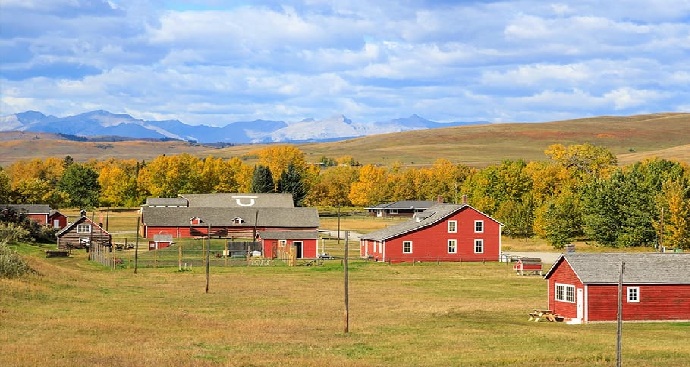
From scenic mountain views to fun festivals and sunny patios, there’s nothing like summer in Alberta. But going from buttoning up to beating the heat can be hard on your electricity bill. Here are a few tips to help you save energy and stay cool this summer! Watch our video and read the energy saving tips listed below for more information.

Saving energy with your air conditioner

Keeping your home cool during a heat wave in Alberta can cause your electricity bill to soar! Follow these easy tips to beat the heat while being mindful of energy use.

Turn off the AC at night

Thankfully, the temperature usually dips at night in Alberta. When it does, turn off the air conditioner and crack open those windows! Use ceiling fans to circulate that cooler, fresh air throughout your home. When morning comes, close the windows and window coverings to keep some of that cool air inside the house.

If you have ceiling fans, they can help out your AC! When you use your ceiling fans in tandem with your air conditioner, you can set your thermostat two degrees higher. This can reduce your AC costs by up to 14%.

Program your thermostat

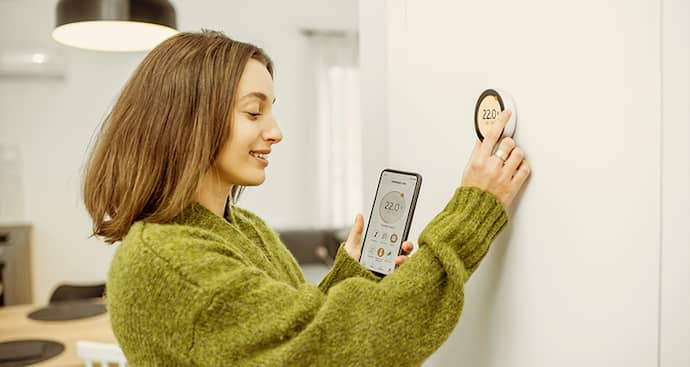
When you're away from home, program your thermostat to raise the heat a little. The closer your indoor temperature is to the outside, the less your air conditioner will kick in. When you get home and want to cool off with the air conditioner, reset it to your preferred temperature. The recommended temperature to set your AC in the summer is 26°C.

Using a portable air conditioner

If you use a standalone, portable air conditioner, close the door to the room you’re in while using it. This will help trap the cool air where you want it and stop the unit from continuously running.

Learn more about energy-efficient air conditioners.  

Mother and daughter sitting on couch with mom pointing remove at portable air conditioner

Energy-saving home upgrades in Alberta

Making a few changes and adopting new habits can help you save energy around the house this summer. Here are some ideas:

Upgrade your windows

Up to 25% of all energy lost in a home goes out the window! If your home has older or damaged windows, upgrading to energy-efficient windows will make a massive difference. Choose ENERGY STAR-certified windows, and you can save up to 20% compared to standard models. These windows will have low-E glass coatings, argon gas fill and insulated spacers to help reduce energy transfer.

Learn more about choosing energy-efficient windows.

Install removable or retractable awnings

Awnings and overhangs can help keep the sun out of south-facing windows. Keeping your windows and home in the shade will make a significant difference. Then, take down the awnings in the winter to let the sun warm the room.

Professional contractors can install retractable awnings over windows and glass doors to help shade the home. They are controlled by a remote and can be put out on hot sunny days and retracted in the evenings or colder seasons.

Choose a metal roof

If you’re in the market for a roof replacement this year, consider a metal roof. Metal roofs are reflective and can boost energy efficiency in the summer. They prevent the sun’s heat from entering your home! Plus, metal roofs are incredibly durable and long-lasting. It will likely be the last roof you’ll ever buy!

These home upgrades can help keep your home cool and reduce AC use. While they might need an initial investment, you’ll benefit from the long-term energy savings and lower bills.


Start planting

Plants can boost curb appeal, clean the air and produce shade around our homes and yards. Here are ways you can use plants to save energy in the summer:

Plant trees (and keep the ones you’ve got)

If you have big trees in your yard, keep them. If you don’t, plant some! Trees and shrubs can produce shade and lower the temperature around your house. They also act as windbreaks and can protect your home. Just make sure you plant the right tree in the right place. This guide on planting trees for energy conservation provides helpful information

Plant vines

Vines that climb up a trellis or supports can also help lower your home’s temperature. They block the heat, produce shade and look great, too. While these work and look great in the summer, they die off and must be removed before the winter.

Reducing energy use saves money and helps create a healthier planet for future generations. If you think switching energy plans can help you save this season, we’d love to help. Check out our energy plans.

Show all answers

You can reduce summer electricity costs by adjusting your thermostat, using fans to circulate cool air, blocking heat from windows and limiting the use of heat-producing appliances during the hottest parts of the day.

Many households set their thermostat between 24°C and 26°C during summer for a balance of comfort and energy efficiency. Raising the temperature slightly while away from home can also help reduce cooling costs.

Yes. Ceiling and portable fans help circulate cool air, which can make rooms feel cooler and reduce the need to lower your thermostat as much.

Running appliances like dishwashers, ovens, dryers, and washing machines in the early morning or evening can help reduce indoor heat buildup and improve cooling efficiency during hot weather.

Yes. Poor insulation and air leaks can allow cool air to escape and warm air to enter your home, making your air conditioner work harder and increasing electricity use.

Closing blinds or curtains during the day, sealing windows and doors, improving airflow, and avoiding heat-producing appliances during peak temperatures can all help keep your home cooler.


Explore the learning centre hub

Select a category to find articles for topics that interest you.