


Learn the common signs your air ducts need cleaning and how duct maintenance can affect comfort, air quality, and home efficiency.
-
Yes. Cold temperatures can cause freezing and damage if not properly prepared.


Please verify your service location to access this:
Please verify your service location to access this:

Pair electricity and natural gas to enjoy low introductory rates until December 31, 2026.*



Check out our energy plans for restaurants and learn how to make your business more energy efficient.



Want to know more about your energy options? Looking for ways to save on energy usage? We're here to help you make an educated decision.

Manage your energy account anytime. View bills, make payments, track your energy use, access rewards and more—all in one place.

Sign up for fixed rates:
Direct Energy customer support:
Direct Energy Regulated Services sales & support:
Pair electricity and natural gas to enjoy low introductory rates until December 31, 2026.*
Check out our energy plans for restaurants and learn how to make your business more energy efficient.
Want to know more about your energy options? Looking for ways to save on energy usage? We're here to help you make an educated decision.
Manage your energy account anytime. View bills, make payments, track your energy use, access rewards and more—all in one place.
How to winterize your hot tub
Updated on May 15, 2026
7-minute read
How to winterize your hot tub
Updated on May 15, 2026
7-minute read
Winterizing your hot tub helps prevent freezing damage, reduce maintenance issues, and improve energy efficiency during colder months. Proper preparation ensures your system continues to run safely and efficiently.
By following key steps—like draining, cleaning, and protecting components—you can avoid costly repairs and keep your hot tub in good condition throughout winter.
Your hot tub offers a space for peace and relaxation at home. There’s nothing quite like soaking in hot water to help ease sore muscles and relieve stress.
With all the great benefits of owning a hot tub, it does require regular maintenance. Whether you run your hot tub through the winter or shut it down for the cold season, preparing it for winter is essential to that maintenance.
We’ve put together some tips to help you winterize your hot tub. Doing so ensures it runs efficiently and prevents damage, so you can continue to enjoy it.

When winter hits, the risk of freezing hot tub parts increases! Frozen water can wreak absolute havoc on your hot tub. When water turns to ice, it expands. The force of that expansion can crack your hot tub’s heater, pump, pipes, filter, and jets. Frozen hot tubs are not cheap to replace, and neither is your hot tub!
Before you start, decide if you’re shutting it down for the winter or plan on using it throughout the cold months.
The first thing you need to consider before winterizing your hot tub is whether you’ll want to use it in the cold or not.
If you don’t plan on using the hot tub in the winter or will be away for a long time, it’s best to shut it down. Winterizing it entirely and putting it to bed for the winter will save you from needless maintenance and energy costs.
For many homeowners, winter is their favourite time to enjoy the hot tub! Keep it open if you’re not going away this winter and love a warm soak! Having your hot tub powered and running all winter should be enough to keep it from freezing, but there are still some steps you’ll want to take to prepare for the winter. First, we’ll talk about shutting down and winterizing the hot tub.
If you have decided to shut down your hot tub for the winter, you must winterize it properly to avoid freeze damage.
Here are the tools and supplies you’ll need to winterize your hot tub:
Safety first! Before you do anything, turn off the breaker on your electrical panel. Triple-check to ensure no power is going to the hot tub. Keeping the power on is risky! You’re at risk of electrocution and damaging your hot tub.
To drain your hot tub, find and uncap its drain spout. It’s usually located somewhere towards the bottom of the tub. Once open, connect your garden hose and direct the water flow to an open space lower than the hot tub's lowest point. With gravity as the main force here, this will take some time to drain completely.
If you own or have access to a submersible pump (sump pump), you can save yourself a big chunk of time. To start, connect your garden hose to the sump pump and place it at the lowest point of the hot tub. Be careful not to put the sump pump plug or extension cord in the water. With the pump running, you should be able to drain your hot tub relatively quickly.
You don’t have to sit and watch the pump the entire time it drains, but you should check on it frequently. Don’t let the pump run dry! That will cause serious and costly damage.
Tip: If you’ve recently treated your hot tub water with chemicals, avoid draining it directly into your yard. Those chemicals could put both plants and animals at risk, and allowing chemicals to run into the storm drain is illegal and bad for the environment. You can purchase de-chlorination chemicals from a pool and spa supply store. Then, you can recycle your hot tub water and use it to water your lawn and shrubs.
With your hot tub resting for the season, you don’t need the filters in there. They could get wrecked in the cold, so remove the filters and store them indoors. While you have the filters out, use a store-bought filter cleaning solution and your garden hose to sanitize them.
While your hot tub may be mostly drained at this point, there is still a lot of water in its inner workings. Drying out this water is vital since parts can be damaged in the cold and are expensive to replace.
To start, find your hot tub’s pump and heater. You’ll likely need to use a screwdriver to open the side panel of your spa. Once you locate the heater and pump, loosen all unions surrounding them and remove any drain plugs. Water should start flowing out. Once everything is opened up, use your wet-dry vacuum to drain excess water in the pump and heating element.
With your wet-dry vacuum, go over every single jet and filter opening. To really get all that water out, you may want to go over all once with the vacuum’s blow setting, followed by a round with the vacuum’s suck setting.
At this point, you probably have a small amount of water pooling around the shell of your hot tub. Vacuum up as much of this water as you can. Once you’re satisfied that the vacuum has done its job, let the rest of the residue air dry or towel dry it.
With your hot tub dry, there should be no reason to add antifreeze to your hot tub plumbing. But if you want added protection against freeze damage, you can put some RV antifreeze into your hot tub lines. Do not use car antifreeze—it is highly toxic!
Start by pouring the antifreeze into the filter cavity. Eventually, you should see the antifreeze enter the hot tub's shell. From here, pour a bit of antifreeze down each jet opening and any other opening where water can get into your spa’s plumbing.
If you put antifreeze in the lines, you’ll have to flush it all out in the spring when you get it ready to use again. It might not be worth the extra work!
Once the hot tub has dried inside and out, cover and seal it up. You want to keep snow and rain out of it. Otherwise, that can freeze and ruin all the hard work you put into winterizing your hot tub!
If you can handle the cold dash from your door to the hot tub in the winter, your hot tub can handle the cold weather! Most modern spas have winter freeze protection settings. This will monitor air temperatures and turn the pump and heater on if it gets too cold. Get familiar with this setting on your hot tub and switch it on once temperatures drop.
If you maintain and clean your hot tub regularly, you won’t need to do too much winterizing prep. Remember that you will want to drain and deep-clean your hot tub before temperatures reach below freezing.
If you use your hot tub year-round, check the cover before it gets cold. Your cover acts as a layer of insulation and keeps water from getting too cold when you’re not using it. Plus, a sealed hot tub cover can help you save energy during the winter by keeping that warmth inside the tub.
Yes. Cold temperatures can cause freezing and damage if not properly prepared.
Yes, but it requires proper insulation and maintenance.
Water can freeze, causing damage to pipes and components.
Regular checks are recommended to ensure proper operation.
Yes. Proper insulation and maintenance improve efficiency.

Learn the common signs your air ducts need cleaning and how duct maintenance can affect comfort, air quality, and home efficiency.

Here are our top recommendations for smart home devices that can transform your home into a seamlessly integrated smart haven.
Prepare for extreme winter conditions by following these safety tips and keep a printout of our winter weather preparedness checklist.
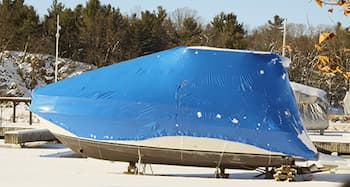
Knowing how to winterize a boat can make a huge difference when you run it again in the spring. Here are 10 steps for winterizing a boat thoroughly.
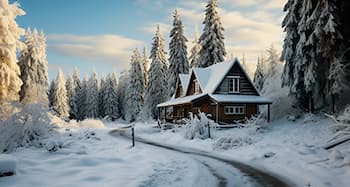
Properly winterizing your vacant summer home will reduce the risk of damage and ensure it’s protected while you’re away. Here are ten steps to winterize it!

Before you rush out the door to go on holiday, don't forget to turn on "Vacation Mode" for your home.
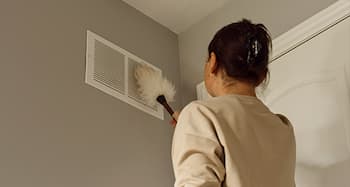
Here are some things you can do this fall to help your home conserve energy during the cold months ahead.
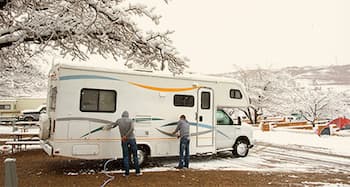
Winterizing your RV is essential in Alberta. It will help prevent damage, extend its lifespan and ensure it’s ready for more summer adventures when the snow melts.
By performing regular yearly inspections and maintenance on your furnace in Alberta, you can help find and prevent future problems.

Planning to install an air conditioner or furnace yourself? Here's why you should leave it to the professionals to avoid additional cost and repairs.