Winter Energy Saving Tips for Alberta Homes

Updated on March 23, 2026
7-minute read

Winter Energy Saving Tips for Alberta Homes

Updated on March 23, 2026
7-minute read

What you need to know

Energy use typically increases during Alberta winters as homes rely more heavily on heating and lighting to stay comfortable through colder temperatures and shorter days. Natural gas usage rises as furnaces run longer, while electricity use often increases due to lighting, furnace fans, and additional appliances.

Small adjustments, such as thermostat changes, sealing air leaks, and improving insulation—can help reduce winter energy consumption. These changes not only lower energy use but can also help manage delivery and distribution charges, which often increase as overall usage rises during colder months.

By understanding how winter weather affects energy use and taking proactive steps before and during the heating season, households can better control winter energy costs and reduce the risk of unexpected bill increases.


Short on time? Watch this quick video on simple winter prep steps that cut drafts, improve furnace efficiency and lower heating costs.

Manage winter energy costs with budget-friendly billing

Heating demand peaks in winter, and so can your bill. To smooth out the highs and lows, consider our Average Billing option which lets you pay a rolling monthly average of your energy costs throughout the year.

That means fewer surprises during cold months and a more predictable budget overall.

Maintain your furnace for efficient winter heating

Your furnace does most of the heavy lifting in winter, so keeping it in good shape is one of the easiest ways to save energy and stay comfortable. Here’s what to focus on:

  • Install a furnace filter alarm to remind you when it’s time for a swap. Many models even whistle when the filter gets dirty.

  • Check your furnace filter every month during heating season and replace it if it’s dirty. A clean filter helps your system run more efficiently and use less energy.

  • Book a tune-up if your furnace is older or not running at its best. A professional maintenance visit can help improve performance without a full replacement.

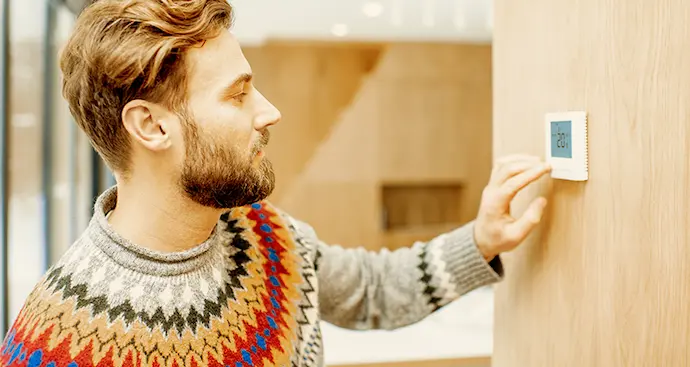
  • Skip “cranking the heat.” Turning your thermostat way up won’t warm your home faster — it just makes your furnace work longer.

man adjusting thermostat on wall

Reduce heating costs by heating only what you need

Save energy by focusing your heat where you actually need it most:

  • Close doors and vents in unused rooms to avoid heating empty spaces.

  • Skip uninsulated areas like garages, attics, and crawlspaces — they lose heat quickly and can drive up your energy use.

  • Use smart thermostats or programmable vents to control zones more precisely and keep your main living areas comfortable without wasting heat elsewhere.

Explore ways to manage your winter energy costs

Improve airflow to heat your home more efficiently

Good airflow helps your home heat evenly and keeps your furnace from working harder than it needs to. Here’s how to improve airflow and heat your home more efficiently in winter:

  • Reverse your ceiling fan direction. In winter, set your fan to pull cool air up toward the ceiling. This helps push warm air back down into the room where you actually feel it.

  • Keep vents clear. Make sure furniture, rugs or appliances aren’t blocking air vents. Clear vents help your furnace move warm air efficiently throughout your home.

  • Use a heat recovery ventilator (HRV). HRVs improve indoor air quality by pulling out stale air and using its heat to warm up the fresh air coming in—giving you better ventilation without losing energy.

Use your fireplace efficiently to prevent heat loss

Your fireplace can add warmth and comfort—but it can also let heat escape if it’s not used efficiently. Here’s how to use it efficiently and avoid unnecessary heat loss:

  • Keep warm air indoors. A chimney can act like an open window, letting heat escape. Always close the damper when the fireplace isn’t being used, and make sure the flue seal is tight.

  • Use smart fireplace habits. When you light a fire, open the dampers in the bottom of the firebox (if your system has them) or crack a nearby window slightly. Close doors to other rooms and lower your thermostat to around 10–13 °C while the fire is burning.

  • Consider efficiency upgrades. Tempered glass doors or a heat-air exchange system can help circulate warm air back into your home.

  • Add more control. Installing a fireplace thermostat can help regulate heat output and prevent energy waste.

Seal doors and windows to prevent heat loss

Even when they’re closed, doors and windows can let warm air escape and cold air sneak in. Here’s how to keep cold air out and warm air in:

  • Check for cold spots. Place your hand on the inside of a closed door. If it feels noticeably cooler than your walls, it may be time to upgrade to a better-insulated door. This is especially important for entrances to garages, cold storage rooms and uninsulated basements.

  • Add low-cost insulation. A layer of clear plastic window film can make a big difference. It helps block icy drafts and adds extra insulation with very little effort or cost.

  • Use the sun to your advantage. Open curtains or blinds on sunny days to let in “free heat.” Clean south-facing windows to maximize sunlight. Once the sun sets, close your curtains to help trap warmth indoors.

Quick win: Weatherstripping around door and window frames is an easy way to reduce drafts and lower heating loss.

Stay warm while using less heat

Sometimes the simplest habits can help you stay comfortable while using less heat.

  • Add layers. Put on a cozy sweater or warm socks and lower your thermostat a few degrees to save on your heating bill.

  • Use area rugs. Rugs help insulate cold floors and make rooms feel warmer, plus they cut down on noise and add a bit of comfort underfoot.

Use energy-efficient lighting during winter

Winter’s long, dark evenings mean your lights work overtime—but they don’t have to use more energy. Make lighting more efficient by installing automatic timers, motion sensors, dimmers, or solar-powered lights around your home. These small upgrades help cut electricity use without sacrificing comfort or brightness.

Use humidity to stay warm and reduce heating use

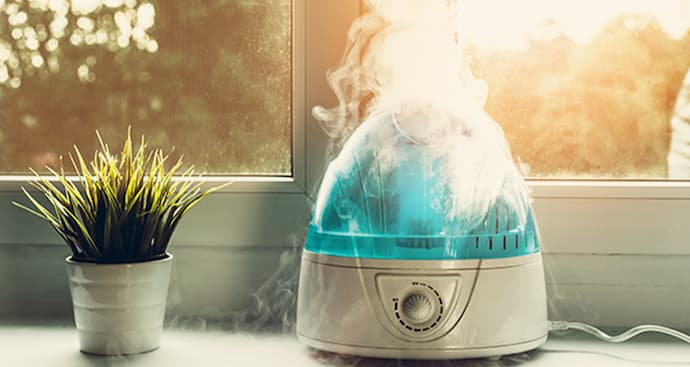
Moist air feels warmer, which means you can stay comfortable even with your thermostat set a little lower. Adding a humidifier to your home can help maintain ideal indoor humidity levels in winter.

And here’s a bonus: Houseplants and aquariums naturally add moisture to the air, giving your home a small humidity boost while keeping things cozy.

Show all answers

Cold temperatures increase heating demand, which raises natural gas usage. Shorter days also increase electricity use for lighting, and higher usage can raise delivery and distribution charges.

During extreme cold, natural gas usage can increase by up to 35% compared to milder months, as furnaces run longer to maintain indoor comfort.

Lowering your thermostat slightly during the day and overnight can help reduce energy use. Even small adjustments can make a noticeable difference over the winter.

Yes. While delivery rates are regulated, many delivery and distribution charges are partially based on usage. Using more energy in winter can increase these charges alongside energy costs.

Monitoring usage, improving insulation, and understanding your rate options can help reduce surprises. Some customers also explore energy plans that offer greater price stability.


Explore the learning centre hub

Select a category to find articles for topics that interest you.